
What to eat during an IBS flare
There is no single IBS flare menu that works for everyone, but a few principles can make bad days easier to manage while you gather cleaner signal on triggers.
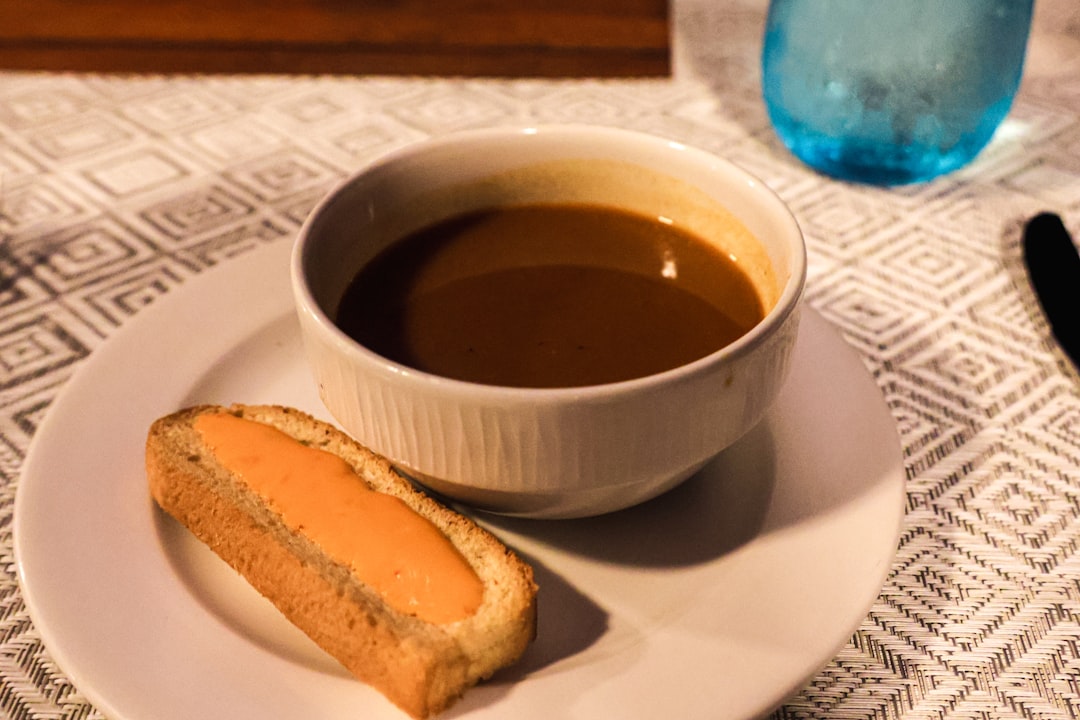
When IBS flares, most people are not looking for a perfect long-term diet. They want a way to get through the next day or two with less pain, less guesswork, and less fear around meals.
There is no universal IBS flare menu. But there are a few practical principles that often work better than either skipping food entirely or eating as if nothing is happening.
The first goal: reduce complexity
A flare is the wrong time to experiment with:
- rich restaurant meals
- several high-risk foods in one sitting
- large portions
- multiple new supplements
The aim is not to eat "perfectly." It is to lower the number of variables so your gut has less to process and your tracking becomes clearer.
Foods and meal styles that often feel easier
Many people gravitate toward simpler meals such as:
- rice
- oatmeal, if tolerated
- eggs, if tolerated
- plain potatoes
- soup or broth-based meals
- toast or bland starches, depending on personal tolerance
This is not a medically mandated list. It is a practical reminder that simple tends to be easier to interpret than mixed, heavy, or highly seasoned meals.
Things that often become harder during a flare
Depending on the person, flares may be worsened by:
- very large meals
- alcohol
- greasy foods
- onion and garlic heavy meals
- caffeine
- high-FODMAP stacking
That does not mean these are permanent bans. It means they are often poor choices when your gut is already reactive.
Diarrhea-predominant vs constipation-predominant flares
Not all flares are the same.
- In IBS-D, some people do better temporarily with gentler, lower-fat, lower-complexity meals.
- In IBS-C, eating too little and becoming dehydrated can make things worse.
That is why a flare plan should match your symptom pattern rather than come from a one-size-fits-all online list.
For more on that distinction, see IBS-D vs IBS-C: foods, patterns, and what usually helps each type.
During a flare, hydration matters too
If urgency or diarrhea is part of the flare, fluids matter. So do things like meal timing and pace. Eating too quickly or waiting all day and then eating a huge meal can make a rough day rougher.
A flare is not always just about food
Flares are often driven by multiple variables at once:
- poor sleep
- stress
- travel
- menstrual cycle changes
- disrupted routine
That is why logging non-food variables can be as important as logging the meal itself.
When to stop self-managing
An IBS flare should not be used to explain away alarm symptoms. Seek medical evaluation if symptoms include:
- blood in stool
- fever
- unexplained weight loss
- persistent vomiting
- severe or new pain that feels different from your usual pattern
Bottom line
During an IBS flare, simpler meals, smaller variables, and better tracking usually beat heroic diet experiments.
The goal is not to discover the entire answer in one day. It is to reduce the load on your gut while you collect cleaner information about what seems to help and what clearly does not.
For the broader GutIQ reading map, start here: Gut health and IBS guides: start here.