
Can turmeric help IBS? What studies say so far
A practical review of turmeric and curcumin for IBS, including what recent studies suggest, where the evidence is still thin, and how to think about safety.
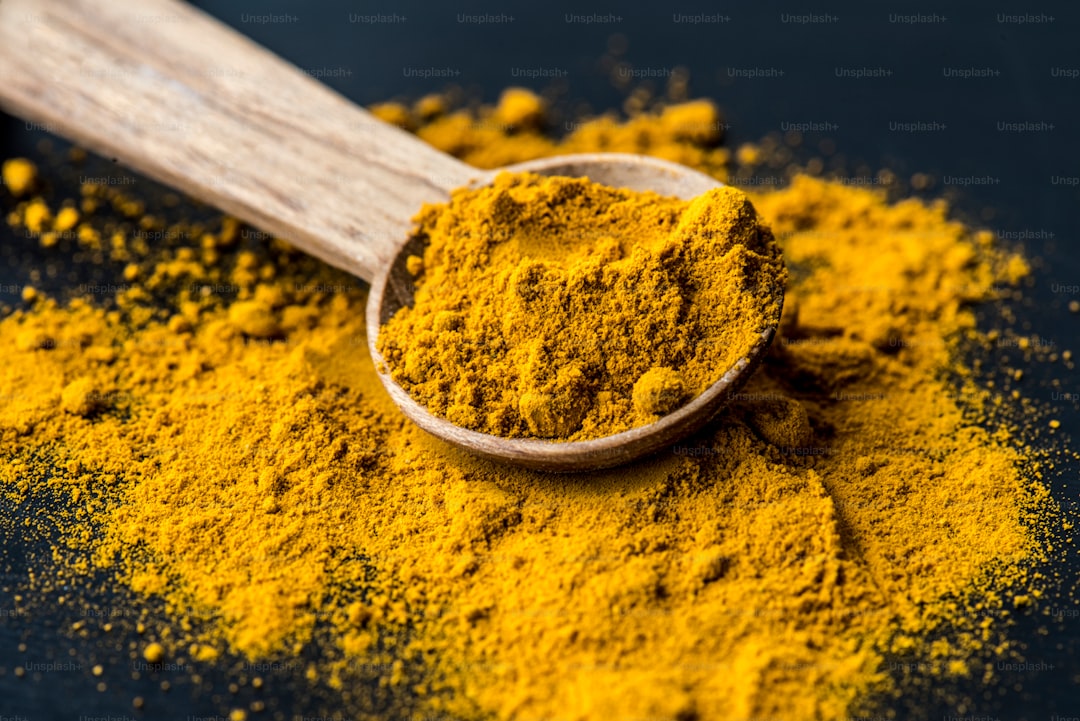
Turmeric gets mentioned often in "gut health" conversations because curcumin, one of its main active compounds, has anti-inflammatory effects in lab and animal research. That naturally leads to a common question: can turmeric actually help irritable bowel syndrome (IBS)?
The short answer is: possibly, but the evidence is still limited. Some studies suggest turmeric or curcumin may reduce IBS symptom severity in some people, but the trials are small, the formulations differ, and researchers still cannot say it works reliably across the board.
If you want the clearest headline, it is this: turmeric is a reasonable topic to discuss with a clinician, but it is not established first-line IBS treatment in the way that structured dietary work, symptom tracking, or certain better-studied therapies are.
Why turmeric is even being studied
IBS is a disorder of gut-brain interaction, but that does not mean inflammation is irrelevant. Some patients seem to have low-grade immune activation, visceral hypersensitivity, or altered gut barrier function. Because curcumin has been studied for anti-inflammatory and antioxidant effects, researchers have tested whether it might help calm pain, bloating, or bowel symptoms.
That theory is plausible. The question is whether it translates into meaningful symptom improvement in real people with IBS.
What recent research says
A 2022 systematic review focused on turmeric and curcumin in IBS found promising but uncertain results. Across the included studies, some participants had improvements in symptom severity and quality of life, but the overall evidence base was small and heterogeneous. Different trials used different curcumin products, different doses, and different outcome measures, which makes it hard to compare results cleanly.
PubMed: systematic review
The U.S. National Center for Complementary and Integrative Health takes a similarly cautious view. Its IBS overview notes that some herbal approaches, including curcumin-containing products, have been studied, but the evidence is too limited and low-certainty to make strong conclusions.
NCCIH IBS overview
So if you have seen headlines claiming turmeric "works for IBS," those headlines are running ahead of the evidence.
Where turmeric fits in the IBS evidence hierarchy
Compared with other IBS strategies, turmeric sits in the interesting but not definitive category.
The interventions with broader support include:
- a time-limited low-FODMAP trial for selected patients
- soluble fiber, especially psyllium, for some people
- peppermint oil for symptom relief in some patients
- gut-directed behavioral care such as CBT in the right context
Turmeric does not currently have evidence as strong or as consistent as those options.
If you want practical context for those better-studied approaches, see:
- Low FODMAP diet for IBS: elimination, reintroduction, and personalization (a detailed guide)
- Peppermint oil for IBS: benefits, side effects, and who should avoid it
- Soluble fiber vs insoluble fiber for IBS: why psyllium may help more than bran
Could turmeric ever make symptoms worse?
Yes. "Natural" does not mean symptom-free.
Depending on the formulation and the person, turmeric supplements can sometimes cause:
- stomach upset
- nausea
- reflux or indigestion
- diarrhea
That matters because many people with IBS already have symptom-sensitive digestion. Someone with IBS plus reflux, for example, may tolerate turmeric poorly even if another person feels fine on it.
Food turmeric vs supplement turmeric
It helps to separate two questions:
-
Can cooking with turmeric be part of an IBS-friendly diet?
Usually yes, if you personally tolerate it. -
Should you take concentrated turmeric or curcumin supplements for IBS?
That is where the evidence is much weaker and the safety questions matter more.
Using turmeric as a spice in normal food amounts is very different from taking concentrated capsules. Supplement doses are higher, sometimes combined with black pepper extracts to increase absorption, and may interact with medications.
Who should be more cautious
Talk to a clinician or pharmacist before trying a turmeric supplement if you:
- take blood thinners or antiplatelet drugs
- have gallbladder disease
- are prone to kidney stones
- are pregnant
- take multiple medications and are not sure about interactions
If you want to experiment, it is smarter to change one variable at a time and log symptoms rather than start several supplements at once.
A practical way to test it
If your clinician is comfortable with a short turmeric trial, use a simple framework:
- Keep the rest of your routine as stable as possible.
- Track abdominal pain, bloating, stool pattern, and meal timing.
- Watch for side effects, not just hoped-for benefits.
- Stop if symptoms clearly worsen.
This is the same logic we apply to dietary trials in IBS: without structured observation, it is very easy to mistake random symptom fluctuation for a true effect.
Bottom line
Turmeric is a worthwhile IBS article topic because people search for it constantly and the science is genuinely interesting. But the evidence today supports a careful claim, not a bold one:
Turmeric or curcumin may help some people with IBS, but current studies are too limited to treat it as a proven IBS therapy.
That makes it best suited to a cautious, monitored experiment rather than a guaranteed recommendation.
For the broader GutIQ reading map, start here: Gut health and IBS guides: start here.