
Why diet is the number one lever for a healthy life
Why food is the habit we repeat most often, what major health bodies mean by a healthy pattern, and how that connects to gut comfort without fad thinking.
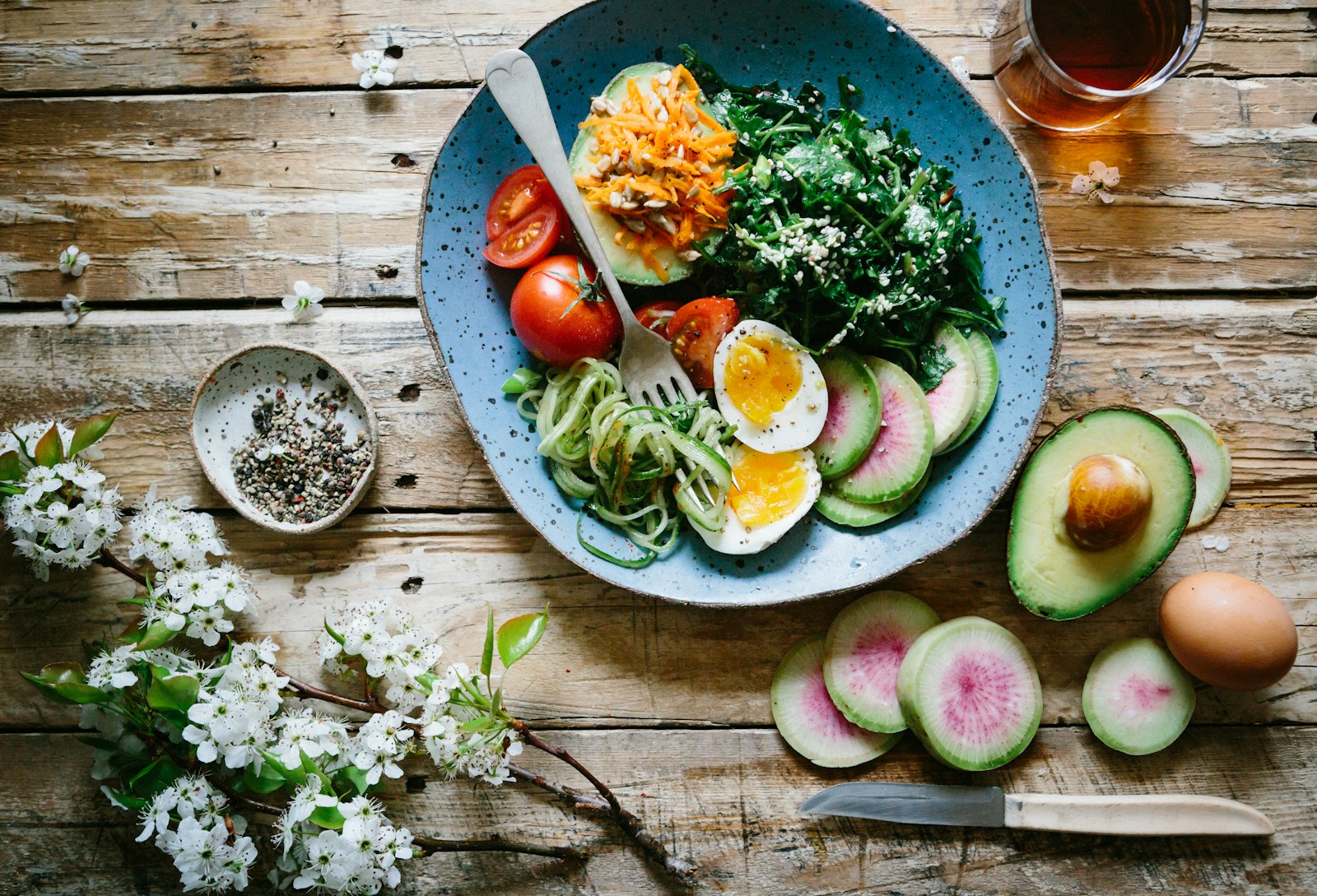
Diet is the habit we repeat most
Sleep matters. Movement matters. Genetics matter. But we eat multiple times a day, every day—which makes food the most frequent input our biology has to interpret. Small choices compound: glycemic swings, fiber intake, sodium, alcohol, and meal timing all nudge inflammation, energy, blood pressure, and—for many people—digestive comfort.
That frequency is why diet is often described as a primary lever: not because one superfood fixes everything, but because the distribution of what you eat over weeks and months shapes risk and resilience more than any single heroic Tuesday lunch.
What “healthy diet” actually aims at
International guidance tends to stress patterns, not perfection. The World Health Organization, in its healthy diet fact sheet, emphasizes that healthy diets help protect against malnutrition and noncommunicable diseases such as diabetes, cardiovascular disease, and some cancers—and notes that many people do not eat enough fruit and vegetables or consume sufficient dietary fibre.
On quantity, WHO advises:
“Everyone older than 10 years of age should aim for at least 400 grams of fruits and vegetables per day, with lesser amounts for children under 10: at least 250 or 350 grams for children 2–5 or 6–9 years of age, respectively.”
That sits alongside broader principles in the same guidance—for example, that carbohydrates should come primarily from whole grains, vegetables, fruits, and pulses, and that fresh, frozen, and canned produce are all suitable when they are not loaded with added sugars or excess sodium.
Closer to home, the Dietary Guidelines for Americans (2020–2025) tie adequate fiber—roughly 22–34 grams per day for adults, depending on age and sex—to cardiovascular and metabolic health, and they frame healthy eating as a flexible, culturally inclusive pattern across food groups. The NIDDK, in its patient materials on IBS, cites those same Dietary Guidelines when discussing fiber targets—showing how general nutrition advice and gut-specific tolerance sometimes need to be reconciled with a clinician or dietitian.
For gut health specifically, a pattern with diverse plant foods can support microbial richness when your symptoms allow it; people with IBS or GERD may need staged changes rather than an abrupt “eat everything raw and high-fiber” push.
Gut health sits in the middle
Digestive comfort is not only about superfoods. It is about portion sizes, timing, hydration, stress, medications, and individual tolerance. That is why personalised logging—seeing your repeats—often teaches more than generic lists online. Two people can eat the same salad; one feels fine, and one flares because of FODMAP load, fat content, or anxiety that day.
Major guidelines for conditions like IBS and GERD reinforce that individualization matters: for example, ACG recommendations on low-FODMAP trials and soluble fiber for IBS, and weight loss plus meal timing for GERD, are applied in clinical context—not as one-size-fits-all internet rules.
Avoiding absolutes
No single food guarantees wellness; no single food ruins it in isolation. Context and consistency win. If you have conditions like IBS or GERD, your “best” plate may look different from a headline diet—work with professionals when you are unsure.
Takeaway
Treating diet as the primary daily lever does not mean obsession. It means noticing, adjusting gently, and giving yourself credit when patterns improve—especially when you pair awareness with expert insights.